
Bridge Strikes: Safeguarding O-Licences and Businesses
Preventing Bridge Strikes: Essential Guidance for Transport Operators and Drivers
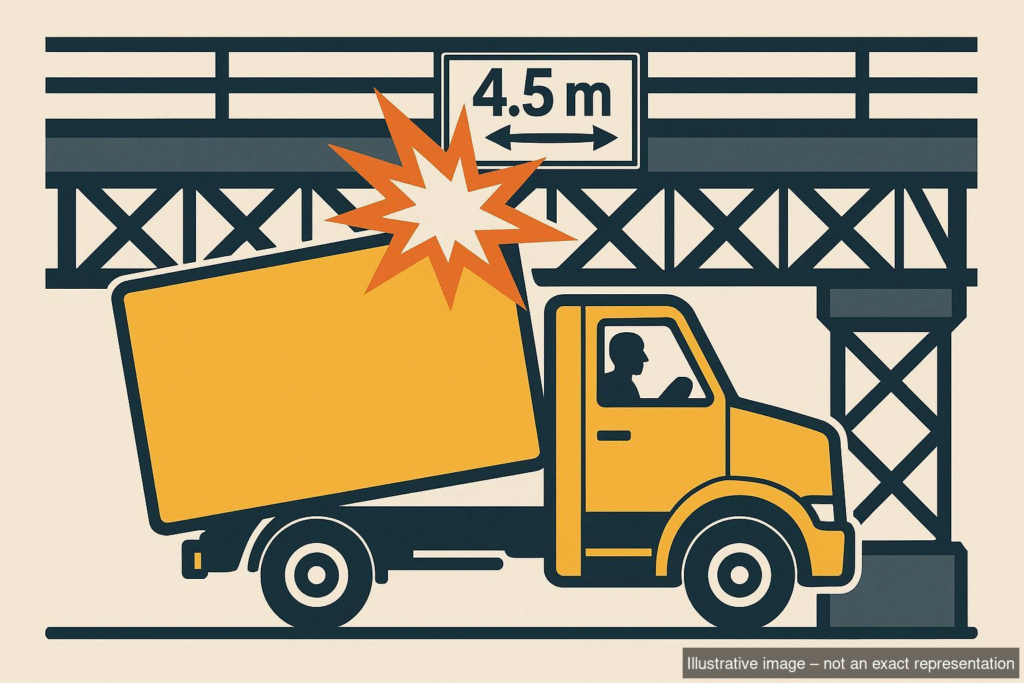
Bridge strikes are among the most serious incidents transport operators face, second only to fatal road accidents. Such events can have significant operational, legal, and financial consequences. Understanding how to prevent bridge strikes and respond effectively if they occur is crucial for operators, drivers, and compliance professionals.
The Impact of Bridge Strikes on Operators
Bridge strikes often result from momentary lapses in driver concentration, which are arduous to eliminate entirely. Operators invest considerable time and resources in preventing these incidents, yet the risk remains. When a strike occurs, operators may face scrutiny from the Traffic Commissioner, who assesses whether appropriate safety measures were in place.
It is indeed vital for operators to maintain thorough records of all bridge strike prevention efforts, including training documentation signed by drivers. This evidence can be critical in demonstrating due diligence and protecting an operator’s O-license during investigations.
Legal and regulatory consequences
Following a bridge strike, several legal actions may ensue:
- Police may charge drivers with offences such as contravening height restriction signs, which can lead to fines and penalty points.
- The Office of the Traffic Commissioner (OTC) may summon operators to preliminary hearings or full Public Inquiries.
- The OTC has the authority to revoke or restrict operator licences if failings are identified.
- Directors of companies found negligent may face disqualification.
- Drivers can be subject to conduct hearings and vocational licence suspensions.
The regulatory environment is becoming increasingly stringent, with less tolerance for bridge strike incidents. Operators are advised to ensure they have access to legal support services that can provide immediate representation if incidents occur.
The Role of Technology and Training
Automated systems are increasingly recognised by regulators as essential tools in bridge strike prevention. However, technology alone is not infallible. For example, sat-nav devices may contain incorrect vehicle height data if swapped between vehicles or not regularly updated.
Advanced solutions, such as Parksafe Group’s Low Bridge Detection System (LBDS), offer proactive alerts to drivers when approaching low bridges. These systems require no driver input once installed and use a thorough database of low bridges across the UK and Ireland.
In addition to technology, ongoing driver training remains a cornerstone of prevention. Operators should also implement robust procedures for briefing agency drivers and managing route changes, vehicle swaps, or driver replacements.
Reporting and Industry Resources
Approximately 1,500 bridge strikes are reported annually, with many more unreported. Any strike causing damage to Network Rail or Highways Authority assets must be reported to the OTC. The Traffic Commissioner is actively increasing enforcement in this area.
Operators are encouraged to utilise free resources such as the Destination Zero Bridge Strikes campaign. Road Skills Online offers a free e-learning toolbox talk on bridge strikes, accessible to registered operators at https://www.roadskillsonline.com/bridge-strikes.
Practical Advice from Mi Compliance
Bridge strikes pose a significant risk to the continuity and reputation of transport operations. Operators should:
- Maintain comprehensive records of all bridge strike prevention measures.
- Invest in reliable automated detection systems and ensure they are regularly updated.
- Provide thorough training and briefings for all drivers, including agency personnel.
- Establish access to immediate legal support to manage incidents effectively.
For further guidance or support, transport professionals are invited to Contact Mi Compliance.

0333 090 8899Office
07868 780254Call/Whatsapp
info@micompliance.co.ukEmail
178 CROW LANE, ROMFORD RM7 0ES
MiComplianceUK
Socials