
First Electric Heavy Goods Vehicle Crosses Channel Tunnel
Introduction
The introduction of electric heavy goods vehicles (eHGVs) to the Channel Tunnel marks a significant development for transport operators, drivers, and compliance professionals. As the haulage industry seeks to reduce greenhouse gas emissions, understanding the new safety protocols and operational considerations for eHGVs travelling through the tunnel is essential.
EHGVs Now Permitted Through the Channel Tunnel
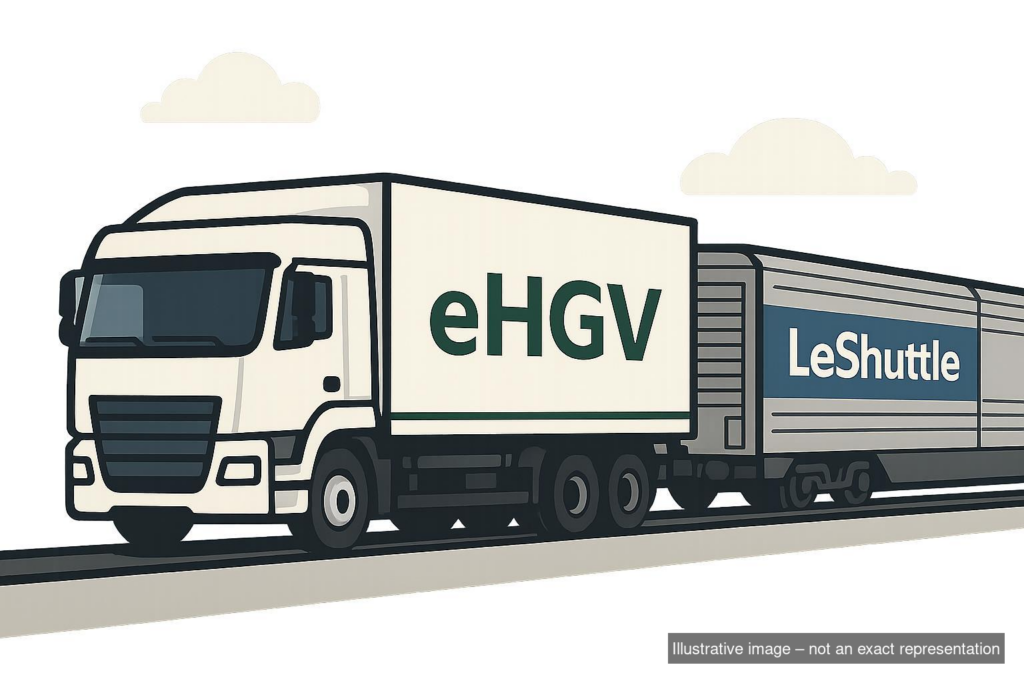
The first electric heavy goods vehicle has successfully crossed the English Channel on a LeShuttle freight train. While eHGVs have been able to travel to France via ferry, the Channel Tunnel required the development and implementation of specific safety procedures for large electric vehicles. These protocols have now been finalised, allowing commercial eHGV travel through the tunnel to commence later this year.
Market Growth and Industry Impact
Peter Roberts, LeShuttle Freight’s commercial strategy director, noted that eHGVs currently represent a small share of the market but predicted significant growth. He expects that within five years, approximately 50,000 truck crossings will be electrified. Given that around 25% of the UK’s trade with the EU passes through the Channel Tunnel annually, with over 1. 1 million HGVs using LeShuttle in 2025, this shift could have a significant impact on logistics and decarbonisation efforts.
Operational Considerations for eHGVs
Kate Broome, sustainability and social impact director at Kuehne+Nagel, described the initiative as the first UK-EU “electric corridor” for freight transport. The eHGV involved in the initial crossing began its journey in the East Midlands and ended in northern Germany, carrying 12 tonnes of cargo. These vehicles can travel up to 300 miles (482 km) on a single charge, with charging taking place overnight and during drivers’ breaks. Driver Adrian Szewczyk emphasised the importance of planning to accommodate charging intervals.
Cost and Industry Adoption Challenges
Phil Moon from truck manufacturer DAF highlighted that the higher upfront cost of electric trucks compared to diesel models remains a barrier. However, he pointed out that over a typical five-year lifespan, operating costs are reduced. The UK government has introduced incentives to support adoption, including discounts of up to £120,000 on eHGV purchases.
Mi Compliance Insight
Transport operators and compliance professionals should prepare for the increasing presence of eHGVs in freight operations, particularly on routes involving the Channel Tunnel. Familiarity with the new safety protocols and operational requirements will be essential to ensure smooth and compliant journeys. Planning for charging schedules and understanding the total cost of ownership will also be critically important for fleet management decisions.
For further guidance or support on integrating eHGVs into your operations, please Contact Mi Compliance.

0333 090 8899Office
07868 780254Call/Whatsapp
info@micompliance.co.ukEmail
178 CROW LANE, ROMFORD RM7 0ES
MiComplianceUK
Socials